 Hampton Theatre Company
The Thanksgiving Play
GENERAL INFO
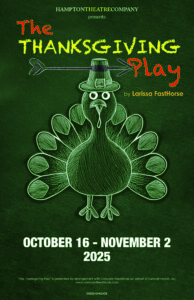
by Larissa FastHorse
Oct. 16 – Nov. 2, 2025
Good intentions collide with absurd assumptions in Larissa FastHorse’s sharp-witted satire, as earnest but misguided elementary schoolteachers are tasked with staging a culturally sensitive Thanksgiving pageant – with no Native Americans involved. The first of three season-opening HTC “Women in Theatre” productions. Running time of the show is approximately 90 minutes without an intermission.
Cast – In Alphabetical Order
-
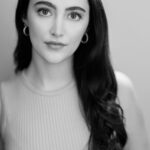
- Molly Brennan
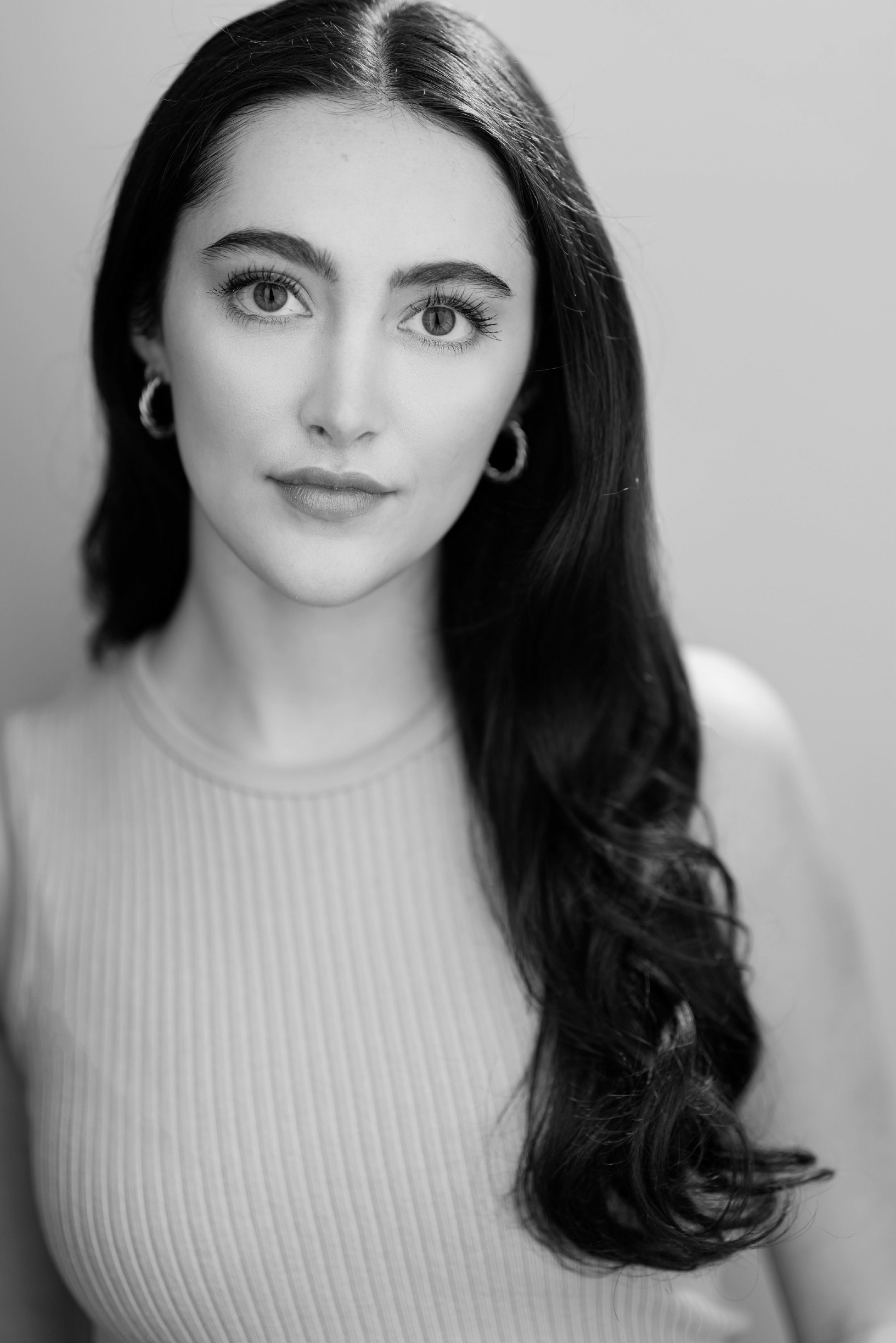
-
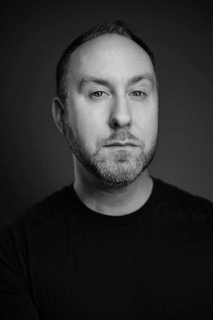
- Scott Joseph Butler
-

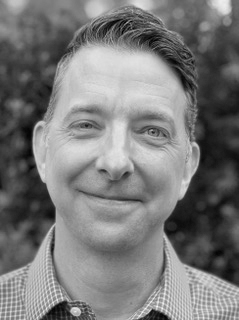
- Jason Moreland
-

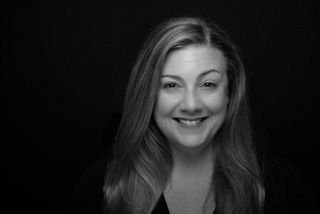
- Lindsey Sanchez
WHO'S WHO
MOLLY BRENNAN (Alicia) is a New York City-based actor, director, and producer. In 2024, she received her BFA in Acting from Marymount Manhattan College. There she performed in productions such as Would You Rather (Hatred), Four Dogs and a Bone (Collette), The Caucasian Chalk Circle (Aniko), and Love’s Labors Lost (Berowne). Additional credits include: Boeing, Boeing (Gabriella), A Doll’s House, Part 2 (Emmy) at the Hampton Theatre Company; The Heaviest Burden (Rachel) at the Samuel French OOB Festival at The Vineyard Theater; The Vagina Monologues at the Southampton Arts Center; and Edgar & Annabel (Tara) with The New Cosmopolitan Ensemble. She has also been an assistant director in productions at Guild Hall, Southampton Arts Center, and at The New York Musical Festival. Right now, Molly is actively working on bringing a short film to life as actor, director, and producer. She is thrilled to be back at HTC and thanks everyone involved in this production. @molllybrennan • https://www.mollybrennan.net
SCOTT JOSEPH BUTLER (Caden) is elated to make his debut with Hampton Theatre Company. Regional Theatre credits include Steppenwolf Theatre, Chicago Shakespeare, The REP; Pittsburgh Playhouse, Pittsburgh City Theatre, Chicago Dramatists, RedTwist Theatre, and Bay Street Theatre. Scott has shared the stage with Tony Award winner Tracy Letts, collaborated with Regional Tony Award winner Barbra Gaines and Oscar Award winner Paul Glickman. He is honored to have direction from Mary Powers Hygom, again. B.A. in Theatre from COPA: Point Park University and MFA in Acting from CCPA: Roosevelt University.
JASON MORELAND (Jaxton) Jason is thrilled to be back at the Hampton Theatre Company. He last performed as Robert in Boeing Boeing this past season. Other recent productions include: Lord Godalming in The Passion of Dracula, Vanya in Vanya, Sonia, Masha and Spike, Rev. Toop in Pools Paradise, The Body in Who’s Wife Is It Anyway, James Reston in Frost/Nixon and Russ in Clybourne Park. Recent film credits include: Chester’s dad in Edge X and Jim in Pam Stripes (working title). He would like to thank Mary for giving him the opportunity to play such a fun role with such an amazing cast. Special thanks go out to his family and friends who continue to support his crazy dream of acting. To his incredible wife Lynn, thanks for holding down the fort. And lastly to his son Shane, I’m so proud of the talented young entertainer you are turning into.
LINDSEY SANCHEZ (Logan) is thrilled to return to Hampton Theatre Company this fall for The Thanksgiving Play. She has performed locally with Studio Theatre, Modern Classics Theatre, Carriage House Players, Springs Community Theatre, and Our Fabulous Variety Show. She maintains an active singing schedule at venues in the Tri-State area, including most recently, Carnegie Hall. Her international tour credits include the Festival Pro Musica E Arte Sacra (Ireland, Italy) and the Annual Festival of the Aegean (Athens & Syros, Greece). Lindsey received her Bachelor of Science in Music Merchandising from Hofstra University and her Master’s of Music Education from The Boston Conservatory. Lindsey is the Choral and Musical Theatre Director at Bridgehampton School District.
LARISSA FASTHORSE (Playwright) A member of the Sicangu Lakota Nation, FastHorse is a 2025 Guggenheim Fellow, 2020 MacArthur Fellow, professor of practice in literature at Arizona State University’s Department of English, award-winning writer/choreographer, and co-founder of Indigenous Direction, the nation’s leading consulting company for Indigenous arts and audiences. She revised the book of the beloved Jerome Robbins Broadway musical, Peter Pan, which toured nationally and internationally. The Thanksgiving Play marked her Broadway debut in the 2022-2023 season, making her the first known female Native playwright to be produced on Broadway. The satirical comedy is one of the most produced plays in America and abroad with more than 300 separate productions. This fall, FastHorse will be performing her autobiographical solo show, Fancy Dancer, in collaboration with Seattle Children’s Theatre and Seattle Rep. Additional produced plays include Fake It Until You Make It, For The People, The Democracy Project, What Would Crazy Horse Do?, Landless, Cow Pie Bingo, Average Family, Teaching Disco Square Dancing to Our Elders: a Class Presentation, Fancy Dancer, and Cherokee Family Reunion. She develops work with renowned theatres in the nation including Center Theatre Group, The Public, Second Stage, Yale Rep, Cornerstone, and Arena Stage.
MARY POWERS (Director) has worked extensively as a director and as a producer for 30 years. Some favorite productions include Vincent, Steel Magnolias, Respect, Don’t Dress for Dinner, Lost in Yonkers, I Am My Own Wife, Greater Tuna, Lips Together, Teeth Apart, Lend Me a Tenor, Run for Your Wife, Barrymore, I Hate Hamlet, Nunsense, Little Shop of Horrors, Beehive and Hamlet. Locally she has directed at Theatre Three, Patchogue Theatre and Guild Hall. She worked as assistant director for Bay Street Theatre’s Gross Points, starring Alec Baldwin, and as assistant director for Julie Andrews on The Boyfriend. She is involved with Arts in Education projects, having worked with local high schools, Guild Hall, the Children’s Museum of the East End, and Bay Street Theater’s Young Playwrights. Most recently she has directed Strictly Murder, Now and Then and produced Who’s Afraid of Virginia Woolf? for HTC. She is happy to rejoin old friends at HTC, where she now serves as a board member.
GEORGE A. LOIZIDES (Producer) is a veteran of HTC, having acted in 13 productions, most recently as Erronius in A Funny Thing Happened On The Way To The Forum. He has directed 12 productions for the company, most recently Who’s Afraid Of Virginia Woolf?. The Thanksgiving Play is his second production as Producer. He has been an actor and director for more than 55 years. He studied acting and directing at the HB Studio in NYC. For 27 years he was Director of Theater Arts at Ward Melville High School where he taught acting, directing and directed 81 productions. He has recently been elected VP of HTC and is a member of the Artistic Committee. He is also Administrator of the Diana and Peter Marbury Scholarship. “Thanks, and thanks and ever thanks” to Mary and the entire HTC production staff and crew for bringing The Thanksgiving Play to life. Love to Kathy. “The word theatre comes from the Greeks. It means the ‘seeing place’. It is the place people come to see the truth about life and the social situation.” -Stella Adler
MELISA DIDIO (Rehearsal Stage Manager) recently moved to Quogue with her family and is excited to return to her love of the theatre. After graduating from the American Academy of Dramatic Arts in New York City, she began her career acting in plays and television. Prior to moving to Long Island, she was the assistant theatre director at Bedford Middle School in Westport, CT for over 10 years. She has worked for the Hampton Theatre Company in the production of Now and Then, Who’s Afraid of Virginia Woolf? and is thrilled to be working with The Thanksgiving Play!
JAMIE BAIO (Production Stage Manager) is excited to be back at the Hampton Theatre Company! New to stage management, but not to the stage, you may have seen Jamie in HTC’s productions of A Funny Thing Happened on the Way to the Forum (Hero), The Lifespan of a Fact (Jim Fingal), and Lost in Yonkers (Jay Kurnitz). Jamie is a recipient of the Diana and Peter Marbury Scholarship and a graduate of Wagner College with a B. A. in Theatre Performance. Professional Credits: Mainstage Performer for the Disney Cruise Line. Off-Broadway: The Office! A Musical Parody (Swing). Regional: Into the Woods (Jack), Godspell (Jesus), Mamma Mia! (Sky u/s). Enjoy the show!
KELLY WERESNICK (Lighting Tech) has worked with HTC on previous shows including Who’s Afraid of Virginia Woolf?, Boeing Boeing, Now and Then, A Funny Thing Happened on the Way to the Forum, A Christmas Carol: A Live Radio Play, and The Portuguese Kid. She studied technical theatre with a concentration in theatre lighting at Suffolk County Community College. She was the lighting designer and board operator for Cry Baby, A Catered Affair, Spamalot and The Wizard of Oz at North Fork Community Theater in Mattituck. Thanks to her parents and sister Colleen for support; her mom and Uncle Billy for the drive and inspiration to pursue technical theatre.
JONATHAN PRESTO (Sound Engineer) is a multifaceted individual who spends most of his focus on being a Live Sound Engineer and a Photographer. He has worked thousands of shows from Manhattan to Montauk and beyond with a wide array of artists of all types and levels. When not behind a mixing board, he can be found roaming around the most remote parts of the country with his dog, Kaya, and cat, Smooch, in search of dark skies to capture the stars with one of his many film or digital cameras.
ROBERT REEVE (Sound Engineer) is an accomplished sound engineer with extensive experience in the live theatre industry. With a strong background in audio technology, Robert has worked on a wide variety of theatrical productions, contributing his expertise to mixing and technical management. In addition to his theatre work, Robert has also contributed to live events and concerts, further enhancing his versatility in the field. His commitment to excellence in sound design and his ability to adapt to any project, no matter the scale or complexity, has earned him a reputation as a respected sound engineer.
STEVE ROGERS (Lead Carpenter) got his start in theatre as a freshman at Cardinal Hayes High School in the Bronx, NY, where his first show was Oliver! For the past 25 years, he has designed and built sets, and served as lighting designer for Ward Melville High School’s annual musicals, including The Phantom of the Opera, Sweeney Todd, Miss Saigon, Mamma Mia, and more. He also enjoyed a 31-year career as a Technology Education teacher and was Head Coach of the Ward Melville FIRST Robotics Team. Steve is delighted to bring his experience and passion for technical theater to Hampton Theatre Company’s production of The Thanksgiving Play.
KIERAN X. QUINN (Carpenter) has worked as a furniture contractor in New York City for the past 13 years while pursuing his passion for art and illustration. He is currently illustrating comic books, brewing beer, and living the dream with his wife and baby boy. Excited to be behind the scenes with HTC, Kieran looks forward to building more sets and tackling new creative challenges.
TERESA L. LeBRUN (Costume Designer) is the resident costume designer for Hampton Theatre Company, and has been with the company just shy of its 40-year lifespan. She began helping with costumes in 1986, and has designed the costumes for all the company’s productions since 2006. She has also costumed for Westhampton Beach and Center Moriches High Schools. Earlier this spring, she had the privilege and pleasure to costume for The Suffolk’s production of 12 Angry Men. Much love to her sons Josh and Noah, family and great friends.
JULIA MORGAN ABRAMS (House Manager) After retiring from the legal department of Bristol Myers Squibb, Julia began a second career as a volunteer, initially for Literacy Suffolk, HTC, the Southampton Animal Shelter and Early Girl Farm, where she wrote grants and worked in fundraising. She continues to write grants and help with marketing for several local nonprofits. She would like to thank all of her dedicated House Assistants for their continued support.
SCOTT JOSEPH BUTLER (Caden) is elated to make his debut with Hampton Theatre Company. Regional Theatre credits include Steppenwolf Theatre, Chicago Shakespeare, The REP; Pittsburgh Playhouse, Pittsburgh City Theatre, Chicago Dramatists, RedTwist Theatre, and Bay Street Theatre. Scott has shared the stage with Tony Award winner Tracy Letts, collaborated with Regional Tony Award winner Barbra Gaines and Oscar Award winner Paul Glickman. He is honored to have direction from Mary Powers Hygom, again. B.A. in Theatre from COPA: Point Park University and MFA in Acting from CCPA: Roosevelt University.
JASON MORELAND (Jaxton) Jason is thrilled to be back at the Hampton Theatre Company. He last performed as Robert in Boeing Boeing this past season. Other recent productions include: Lord Godalming in The Passion of Dracula, Vanya in Vanya, Sonia, Masha and Spike, Rev. Toop in Pools Paradise, The Body in Who’s Wife Is It Anyway, James Reston in Frost/Nixon and Russ in Clybourne Park. Recent film credits include: Chester’s dad in Edge X and Jim in Pam Stripes (working title). He would like to thank Mary for giving him the opportunity to play such a fun role with such an amazing cast. Special thanks go out to his family and friends who continue to support his crazy dream of acting. To his incredible wife Lynn, thanks for holding down the fort. And lastly to his son Shane, I’m so proud of the talented young entertainer you are turning into.
LINDSEY SANCHEZ (Logan) is thrilled to return to Hampton Theatre Company this fall for The Thanksgiving Play. She has performed locally with Studio Theatre, Modern Classics Theatre, Carriage House Players, Springs Community Theatre, and Our Fabulous Variety Show. She maintains an active singing schedule at venues in the Tri-State area, including most recently, Carnegie Hall. Her international tour credits include the Festival Pro Musica E Arte Sacra (Ireland, Italy) and the Annual Festival of the Aegean (Athens & Syros, Greece). Lindsey received her Bachelor of Science in Music Merchandising from Hofstra University and her Master’s of Music Education from The Boston Conservatory. Lindsey is the Choral and Musical Theatre Director at Bridgehampton School District.
LARISSA FASTHORSE (Playwright) A member of the Sicangu Lakota Nation, FastHorse is a 2025 Guggenheim Fellow, 2020 MacArthur Fellow, professor of practice in literature at Arizona State University’s Department of English, award-winning writer/choreographer, and co-founder of Indigenous Direction, the nation’s leading consulting company for Indigenous arts and audiences. She revised the book of the beloved Jerome Robbins Broadway musical, Peter Pan, which toured nationally and internationally. The Thanksgiving Play marked her Broadway debut in the 2022-2023 season, making her the first known female Native playwright to be produced on Broadway. The satirical comedy is one of the most produced plays in America and abroad with more than 300 separate productions. This fall, FastHorse will be performing her autobiographical solo show, Fancy Dancer, in collaboration with Seattle Children’s Theatre and Seattle Rep. Additional produced plays include Fake It Until You Make It, For The People, The Democracy Project, What Would Crazy Horse Do?, Landless, Cow Pie Bingo, Average Family, Teaching Disco Square Dancing to Our Elders: a Class Presentation, Fancy Dancer, and Cherokee Family Reunion. She develops work with renowned theatres in the nation including Center Theatre Group, The Public, Second Stage, Yale Rep, Cornerstone, and Arena Stage.
MARY POWERS (Director) has worked extensively as a director and as a producer for 30 years. Some favorite productions include Vincent, Steel Magnolias, Respect, Don’t Dress for Dinner, Lost in Yonkers, I Am My Own Wife, Greater Tuna, Lips Together, Teeth Apart, Lend Me a Tenor, Run for Your Wife, Barrymore, I Hate Hamlet, Nunsense, Little Shop of Horrors, Beehive and Hamlet. Locally she has directed at Theatre Three, Patchogue Theatre and Guild Hall. She worked as assistant director for Bay Street Theatre’s Gross Points, starring Alec Baldwin, and as assistant director for Julie Andrews on The Boyfriend. She is involved with Arts in Education projects, having worked with local high schools, Guild Hall, the Children’s Museum of the East End, and Bay Street Theater’s Young Playwrights. Most recently she has directed Strictly Murder, Now and Then and produced Who’s Afraid of Virginia Woolf? for HTC. She is happy to rejoin old friends at HTC, where she now serves as a board member.
GEORGE A. LOIZIDES (Producer) is a veteran of HTC, having acted in 13 productions, most recently as Erronius in A Funny Thing Happened On The Way To The Forum. He has directed 12 productions for the company, most recently Who’s Afraid Of Virginia Woolf?. The Thanksgiving Play is his second production as Producer. He has been an actor and director for more than 55 years. He studied acting and directing at the HB Studio in NYC. For 27 years he was Director of Theater Arts at Ward Melville High School where he taught acting, directing and directed 81 productions. He has recently been elected VP of HTC and is a member of the Artistic Committee. He is also Administrator of the Diana and Peter Marbury Scholarship. “Thanks, and thanks and ever thanks” to Mary and the entire HTC production staff and crew for bringing The Thanksgiving Play to life. Love to Kathy. “The word theatre comes from the Greeks. It means the ‘seeing place’. It is the place people come to see the truth about life and the social situation.” -Stella Adler
MELISA DIDIO (Rehearsal Stage Manager) recently moved to Quogue with her family and is excited to return to her love of the theatre. After graduating from the American Academy of Dramatic Arts in New York City, she began her career acting in plays and television. Prior to moving to Long Island, she was the assistant theatre director at Bedford Middle School in Westport, CT for over 10 years. She has worked for the Hampton Theatre Company in the production of Now and Then, Who’s Afraid of Virginia Woolf? and is thrilled to be working with The Thanksgiving Play!
JAMIE BAIO (Production Stage Manager) is excited to be back at the Hampton Theatre Company! New to stage management, but not to the stage, you may have seen Jamie in HTC’s productions of A Funny Thing Happened on the Way to the Forum (Hero), The Lifespan of a Fact (Jim Fingal), and Lost in Yonkers (Jay Kurnitz). Jamie is a recipient of the Diana and Peter Marbury Scholarship and a graduate of Wagner College with a B. A. in Theatre Performance. Professional Credits: Mainstage Performer for the Disney Cruise Line. Off-Broadway: The Office! A Musical Parody (Swing). Regional: Into the Woods (Jack), Godspell (Jesus), Mamma Mia! (Sky u/s). Enjoy the show!
KELLY WERESNICK (Lighting Tech) has worked with HTC on previous shows including Who’s Afraid of Virginia Woolf?, Boeing Boeing, Now and Then, A Funny Thing Happened on the Way to the Forum, A Christmas Carol: A Live Radio Play, and The Portuguese Kid. She studied technical theatre with a concentration in theatre lighting at Suffolk County Community College. She was the lighting designer and board operator for Cry Baby, A Catered Affair, Spamalot and The Wizard of Oz at North Fork Community Theater in Mattituck. Thanks to her parents and sister Colleen for support; her mom and Uncle Billy for the drive and inspiration to pursue technical theatre.
JONATHAN PRESTO (Sound Engineer) is a multifaceted individual who spends most of his focus on being a Live Sound Engineer and a Photographer. He has worked thousands of shows from Manhattan to Montauk and beyond with a wide array of artists of all types and levels. When not behind a mixing board, he can be found roaming around the most remote parts of the country with his dog, Kaya, and cat, Smooch, in search of dark skies to capture the stars with one of his many film or digital cameras.
ROBERT REEVE (Sound Engineer) is an accomplished sound engineer with extensive experience in the live theatre industry. With a strong background in audio technology, Robert has worked on a wide variety of theatrical productions, contributing his expertise to mixing and technical management. In addition to his theatre work, Robert has also contributed to live events and concerts, further enhancing his versatility in the field. His commitment to excellence in sound design and his ability to adapt to any project, no matter the scale or complexity, has earned him a reputation as a respected sound engineer.
STEVE ROGERS (Lead Carpenter) got his start in theatre as a freshman at Cardinal Hayes High School in the Bronx, NY, where his first show was Oliver! For the past 25 years, he has designed and built sets, and served as lighting designer for Ward Melville High School’s annual musicals, including The Phantom of the Opera, Sweeney Todd, Miss Saigon, Mamma Mia, and more. He also enjoyed a 31-year career as a Technology Education teacher and was Head Coach of the Ward Melville FIRST Robotics Team. Steve is delighted to bring his experience and passion for technical theater to Hampton Theatre Company’s production of The Thanksgiving Play.
KIERAN X. QUINN (Carpenter) has worked as a furniture contractor in New York City for the past 13 years while pursuing his passion for art and illustration. He is currently illustrating comic books, brewing beer, and living the dream with his wife and baby boy. Excited to be behind the scenes with HTC, Kieran looks forward to building more sets and tackling new creative challenges.
TERESA L. LeBRUN (Costume Designer) is the resident costume designer for Hampton Theatre Company, and has been with the company just shy of its 40-year lifespan. She began helping with costumes in 1986, and has designed the costumes for all the company’s productions since 2006. She has also costumed for Westhampton Beach and Center Moriches High Schools. Earlier this spring, she had the privilege and pleasure to costume for The Suffolk’s production of 12 Angry Men. Much love to her sons Josh and Noah, family and great friends.
JULIA MORGAN ABRAMS (House Manager) After retiring from the legal department of Bristol Myers Squibb, Julia began a second career as a volunteer, initially for Literacy Suffolk, HTC, the Southampton Animal Shelter and Early Girl Farm, where she wrote grants and worked in fundraising. She continues to write grants and help with marketing for several local nonprofits. She would like to thank all of her dedicated House Assistants for their continued support.
PRODUCTION STAFF
PRODUCTION STAFF
Director – MARY POWERS
Producer – GEORGE A. LOIZIDES
Set Design – MARY POWERS
Lighting Design – SEBASTIAN PACZYNSKI
Costume Design – TERESA L. LEBRUN
Sound/Video Design – MEG SEXTON
Lead Carpenter – STEVE ROGERS
Carpenter – KIERAN QUINN
Producer – GEORGE A. LOIZIDES
Set Design – MARY POWERS
Lighting Design – SEBASTIAN PACZYNSKI
Costume Design – TERESA L. LEBRUN
Sound/Video Design – MEG SEXTON
Lead Carpenter – STEVE ROGERS
Carpenter – KIERAN QUINN
Lighting – Tech KELLY WERESNICK
Sound Engineers – JONATHAN PRESTO, ROB REEVE
Rehearsal Stage Manager – MELISA DIDIO
Production Stage Manager – JAMIE BAIO
Props – GEORGE A. LOIZIDES, MARY POWERS
Box Office – CAT BRACKSMAYER, DEBORA JACQUES
Production Graphics – DESIGNINGJOE (JOE PALLISTER)
House Manager – JULIA MORGAN ABRAMS
Sound Engineers – JONATHAN PRESTO, ROB REEVE
Rehearsal Stage Manager – MELISA DIDIO
Production Stage Manager – JAMIE BAIO
Props – GEORGE A. LOIZIDES, MARY POWERS
Box Office – CAT BRACKSMAYER, DEBORA JACQUES
Production Graphics – DESIGNINGJOE (JOE PALLISTER)
House Manager – JULIA MORGAN ABRAMS
REVIEWS
Hampton Theatre Company’s ‘The Thanksgiving Play’ Skewers Ultra-Wokeness, Cultural Appropriation & Historical Amnesia
By Marc Horowitz – Dan’s Papers10/22/2025
Not a day goes by in contemporary America without a politician, a talking head or a social media influencer accusing somebody they disagree with as being “woke.”
Wokeness has morphed into a powerful cudgel the right uses to attack the left. Meanwhile, the left hasn’t quite decided to what degree it wants to embrace the label and to what degree it wants to run away from it. At this point, the term doesn’t even have a fixed meaning, at least not one that both sides of the ideological spectrum can agree on.
Into this quagmire of American political discourse steps Hampton Theatre Company’s production of The Thanksgiving Play – and it couldn’t be more timely.
Though the term “woke” never appears in the script, there’s no question that wokeness in its myriad forms is very much on this play’s mind.
The play is about a lot of things: cultural appropriation, performative activism, historical amnesia (including the whitewashing of the origins of Thanksgiving), and of course, liberal guilt. But at its core, it’s about political correctness taken to an absurd and paralyzing extreme – which is as good a definition of wokeness as you’re likely to find.
Playwright Larissa FastHorse’s comedy was first staged in 2018 in Portland, Oregon, and later debuted at the Helen Hayes Theater on Broadway for a limited run in 2023. With that production, FastHorse, a citizen of the Sicangu Lakota Nation, became the first female Indigenous playwright to be produced on Broadway.
Ably directed by Mary Powers (who also designed the set), FastHorse’s script is trenchant, whacky and very funny in spots. The playwright is exceptionally good at ridiculing ridiculous people acting ridiculously. Part detached observer, part insider in the world she chronicles, she writes like someone who’s very much in on the joke.
Powers moves things along at an appropriately brisk clip and, along with the cast, demonstrates a particular adeptness at broad, prop-based physical comedy. (Without getting too far into spoiler territory, suffice it to say that a pair of bloody severed heads get their share of stage time.)
The ultra-woke contingent among the four-person cast is represented by Logan (Lindsey Sanchez) and Jaxton (Jason Moreland), an amateur theater couple, who are about as annoyingly and cloyingly political correct as they come.
Tasked with writing and directing a Thanksgiving production for an elementary school audience that honors the Native experience without actually including a Native person in the cast, Logan and Jaxton are beside themselves. Not only did Logan mistakenly believe she had cast a Native actress in the show, she also accepted a monetary grant that specifically stipulated that she hire a Native performer in a leading role.
Instead, she wound up with Alicia (Molly Brennan), a very caucasian and only marginally talented actress who passed for an Indigenous person by wearing braids and a turquoise necklace in one of her headshots..
Alicia has zero interest whatsoever in the political or anthropological implications of the production. A sexpot and self described simpleton, she basically wants to look fabulous, get paid and not think too much about anything at all.
And then there’s Caden (Scott Joseph Butler), a nerdy, socially awkward teacher and wannabe playwright who thinks way too much. When he’s not obsessing about how to finally get at least a portion of his historically accurate script recited on stage by real actors, he’s thinking about how to spend as much quality time as possible with the seductive Alicia.
As the team struggles to put together a show that says something about the Indigenous experience without appropriating or dishonoring anybody’s heritage or beliefs, the satire gets thicker, the action gets weirder and the production within a production implodes.
Though it explores complicated themes, FastHorse’s script is satire of the broad, absurdist kind, and it needs to be played as such. A production like this makes certain specific demands of its actors. The cast’s prime directive is to be funny without lapsing into over-the-top parody.
Mission accomplished on that score.
Lindsey Sanchez as Logan is a bit more of a subtle performer than her three co-stars. Her restraint makes sense; it serves her character well and also leaves plenty of air for Butler and Moreland, both of whom make the right choice to go a bit bigger. Sanchez isn’t a classic “straight man” exactly – and she’s certainly a talented comedic actor in her own right – but when the antics get outsized, she tends to defer to her scene partners.
As comedic archetypes (the nerdy academic who never gets the girl and the artsy ne’er-do-well, respectively), Butler and Moreland step it up and get most of the biggest laughs in the show. They seem to relish milking their respective characters’ idiosyncrasies and ridiculousness for all they’re worth.
Molly Brennan may have the toughest job of all – and she handles it well. It takes a good actor to play a bad actor. Alicia is basically an old-school bimbo with marginal talent who gets by on her physical attractiveness. She’s specifically written as a vapid human being with not much of a discernible inner life, yet Brennan manages to find something human and vulnerable in her for the audience to latch onto, particularly in her scenes with Sanchez.
Like all good satire, The Thanksgiving Play works on several levels at once. FastHorse’s script certainly skewers white privilege and smarmy virtue signalling. But it also argues, among other things, that it’s all but impossible to make a meaningful piece of art – even for an elementary school audience – if the artists are afraid to offend anyone.
This production is the first installment of the Hampton Theatre Company’s new Jane Stanton Celebrating Women in Theatre Project. The Company points out that although it has featured works by female playwrights in the past, its last three seasons did not include any shows written by a woman.
Named after the Company’s first resident director and sponsored by a grant from an anonymous private donor, the initiative includes a three-season commitment to staging plays written and directed by women at the start of three successive seasons.
The Thanksgiving Play opened on October 16 and runs through November 2 at Quogue Community Hall. Tickets are available Here.
‘The Thanksgiving Play’ Explores the Difficulties in Telling Someone Else’s Story
Annette Hinkle, Southampton Press on Oct 21, 2025Whose job is it to tell our ancestors’ stories? If you’re of European heritage, you would likely say it’s the role of descendants to keep those tales alive through evidence left behind in documents like family bibles, photographs, diaries and deeds.
But what if your family stories were based purely on oral tradition and therefore never written down? What happens when ancestors are permanently silenced before they have a chance to share their traditions and knowledge with children and grandchildren? What if those children and grandchildren are silenced alongside their elders? Then, it would appear, the telling of the stories becomes the job of the victors alone.
That is the conundrum facing a quartet of hapless theater “professionals” in “The Thanksgiving Play,” Hampton Theatre Company’s hilarious season opener at Quogue Community Hall which is directed by Mary Powers. Written by Larissa FastHorse, a member of the Sicangu Lakota Nation, in 2022 the play was the first by an Indigenous woman to be produced on Broadway. It represents a misguided study on cultural appropriation, political correctness and the frequently futile desire to tell someone else’s story. The premise of this clever script is quite simple — a group of white educators are attempting to create an ethnically sensitive play about the first Thanksgiving for elementary school-age children. Despite the best of intentions, it quickly becomes abundantly clear that this is a very complicated issue and one that won’t be easily resolved. As the characters strive to tell the Thanksgiving story in the most politically correct and accurate way possible, they realize that those two goals are mutually exclusive and find themselves tumbling headlong into one minefield after another.
Set in a classroom, the play opens with high school drama teacher Logan (Lindsey Shanchez) anxiously conferring with her Valley Boy partner Jaxton (Jason Moreland) about the writing of the Thanksgiving script. Jaxton is an actor of sorts with a pass-the-hat-gig at the local farmer’s market (but we mustn’t pass judgment on his artistic choices) and is one of the performers who will appear in the play. For her part, though she is a committed vegan and disgusted by the idea of eating turkeys, Logan has vowed to put aside her food aversions for the sake of art and is driven to create the best play she can conjure up about the “holiday of death.”
In truth, Logan’s job is on the line due to an earlier misstep with a controversial production of “The Iceman Cometh” that left parents angry and calling for her dismissal. She is on-edge and determined to get this one right. Fortunately, she has secured a grant to promote Native American awareness through the arts and has cast an Indigenous actress who will serve as the sounding board for the Native American perspectives in the play.
Soon, the pair is joined by Caden (Scott Joseph Butler), a historian whose job is to put the facts of the first Thanksgiving in context (no matter how brutal and bloody they may be) and Alicia (Molly Brennan), the actress whom Logan has hired with the grant money. Soon, it’s life imitating farce as every ridiculous thing that Alicia says is taken as a truth to include in the play solely because she is of Indigenous heritage.
There’s only one problem. Alicia is not Native American. She simply “plays” ethnic roles and has a series of different headshots that she sends to casting directors depending on what “type” they are looking to cast. Alicia, who looks at things in an overly simplistic manner, also freely and proudly admits that she’s not very smart. That, in some bizarre way, makes her the most enlightened character on the stage.
Conversely, the language gymnastics that Logan and Jaxton engage in throughout the play is a ridiculously over-the-top crash course in self-awareness. Full of referential clarifications, unsolicited pronoun pronouncements and the rejection of stereotype or criticism in favor of enthusiastic honoring of one’s authentic instincts, “enlightened white allies” is a term that they settle on in justifying their increasingly cringey choices for the script as they find themselves painted into an ever-shrinking corner. As new information comes to light, the group is constantly forced to redefine and reevaluate their positions and beliefs systems. Justifying their actions becomes as much of a chore as actually attempting to write the script for the play. Even between scenes the audience doesn’t get a break — a large monitor on the wall of the set projects cringe-worthy videos based on actual elementary school Thanksgiving skits gone wrong.
Representing the purely historical side of things is Caden, the nerdy historian who puts forth cold, brutal honesty based on documents written by the colonists’ first encounters with Indigenous populations. From using double-entendre terms like “exploding stick” for “gun” and the English propensity for referring to Native Americans as “savages,” to pointing out that the first Thanksgiving would have happened not in Massachusetts, but in St. Augustine, Florida, where Spanish conquistadors and southern Indigenous tribes would have enjoyed a feast of pineapple and other tropical fruits, he’s not making things any easier.
That’s because it’s the conquerors who lived to tell the tale. And that is the inherent problem Logan and Jaxton wrestle with as they try to be both accurate and sensitive in the absence of actual Indigenous representation. Despite their enlightenment, neither Logan nor Jaxton know a single Native American personally. When Caden and Jaxton recreate a scene from history depicting colonists slaughtering members of the Pequot tribe, everyone in the room realizes it’s all gone way too far.
Which is exactly how LightHorse no doubt intended it. As a Lakota, the playwright has the authority that her characters lack — that is, she gets to write the Native American perspective. But because this play is designed to be cast with only white actors, LightHorse has done that without relying on a single Indigenous voice on stage. It all ends up being very meta and LightHorse has shared in interviews that her previous plays were deemed to be unproduceable due to the difficulties in casting Native American actors.
If there’s a downside in this play, it’s that as poster children for social awareness, Logan and Jaxton ultimately end up giving “woke” a bad name. Their behavior is so overboard that someone should toss them a life preserver. While political correctness is the very foundation of this play’s humor, in this current environment it’s also an unfortunate indictment of what now seems like ancient history. Despite being written only a few years ago, this play hasn’t aged particularly well given what’s happening right now in this country. The pendulum has swung so far the other way that the mere mention of the letters DEI is enough to make someone a target.
Ironically, “The Thanksgiving Play” proves this point in a way LightHorse probably never intended. In the end, the PC police who until recently were quick to scold every misplaced pronoun or use of an outdated term may have unintentionally harmed the cause they so fervantly sought to advance. So much in this country has changed so quickly for so many, and not in a good way, including minorities, immigrants, women and the disabled, that this play already feels a lot like a period piece.
For that reason, it might also be considered a tragedy.
“The Thanksgiving Play” runs through November 2. Performances are Thursdays, Fridays and Saturdays at 7 p.m., and Sundays at 2:30 p.m. An additional matinee will take place November 1, at 2:30 p.m., preceding the regular evening show. Post-show talkbacks with the director, cast and panelists are October 24 and October 31. The production is produced by George Loizides, with lighting design by Sebastian Paczynski, sound and video design by Meg Sexton and costume design by Teresa LeBrun. In addition to directing, Powers also designed the set. This show is the first in Hampton Theatre Company’s Jane Stanton Celebrating Women in Theatre Project. Funded by a recent anonymous grant from a private charitable foundation, the goal of the new initiative is to spotlight plays written and directed by women. HTC will open each of its next three seasons with a female-led production. Tickets are $40 for adults, $36 for seniors (65 and older), $25 for students (25 and under), and $30 for veterans and Native Americans. Quogue Community Hall is at 125 Jessup Avenue in Quogue. Tickets and more information are available Here.
Review: The HTC’s “The Thanksgiving Play” Triumphantly Opens The 2025–26 Season
By T.J. ClementeThe Hampton Theatre Company triumphantly opened its 2025–26 season with the acclaimed comedy, “The Thanksgiving Play” by Larissa FastHorse, that will be running to November 2nd at the Quogue Community Hall. Cheers to Producer George Loizides and Director Mary Powers for successfully launching HTC’s new initiative, the Jane Stanton “Celebrating Women in Theatre” project that highlights underrepresented voices in a traditionally male-dominated field.
What makes “The Thanksgiving Play” so endearing is the wonderful individual performances of Molly Brennan, Jason Moreland, Lindsey Sanchez and Scott J. Butler. Their efforts had the audience chuckling, smiling and breaking out in total belly laughs throughout the 90-minute one act show.
Lindsey Sanchez who plays “Logan” brings her stage gravitas to this show as she is the adhesive factor that lifts the performances of all the other actors through her multiple acting talents. She does this through her role as Logan (the school teacher) who’s goal is to put together a group of well-intentioned educators to devise an inclusive Thanksgiving school play. What happens is pure comedy and Lindsey Sanchez gives a superlative performance.
Jason Moreland in his role as “Jaxton” brings his talents to project pure comedy in his every move, expression, eye gesture and voice. He is so natural under the bright lights that the audience sort of enjoyed every breath he took on stage and laughed every time he said anything. Mr. Morehead comedic reactions were spectacular when the teams misguided efforts unraveled spectacularly.
Molly Brennan through her portrayal of “Alicia,” brings a youthful sexy sizzle of comedy and energy to the show. Her kinetic acting prowess was on full display as she owned the stage when her character was called on to come to life and add comedy to the scene. With her facial expressions, hair flips and stretching she gives a winning wonderful performance and was an audience favorite.
The sophisticated performance of Scott J. Butler as “Caden,” the complicated history expert brings a different layer of comedy to the show. His comedic lines through his effective delivery style seemed to manifest a sort of delayed chuckle and laughter throughout the audience as they processed what he said and why and how he said it. He had a sort of “Bob Newhart,” effect.
Kudos to the HTC’s behind the scenes team. The marvelous Set design is by Mary Powers. The flawless Lighting Design is by Sebastian Paczynski. The clear Sound/Video Design is by Meg Sexton, and fabulous Costume Design is by Teresa LeBrun.
It always takes a village of efforts to create an evening of theater. Therefore one must take the time to thank the following for a wonderful night enjoying “The Thanksgiving Play.” Folks like Julia Morgan Abrams the iconic House Manager who greets everyone cheerfully and respectfully. Then there are the efforts of: Lead Carpenter-Steve Rogers and Carpenter- Kieran Quinn. Sound Engineers- Jonathan Presto and Rob Reeve. The Rehearsal Stage Manager-Melisa Didio and The Production Stage Manager-Jamie Baio. The Box Office folks-Cat Bracksmayer and Debora Jacques. Production Graphics-Joe Pallister. Lighting Tech-Kelly Weresnick. Thank you for your efforts.
Tickets are $40 for adults, $36 for seniors (65+), $25 for students (25 and under), and $30 for veterans and Native Americans.. For more information call the HTC box office (Terry Brennan GM) at 631-653-8955.
“The Thanksgiving Play” Director Mary Powers on Celebrating Women in Theatre
by T.J. Clemente
hamptons.com The Hampton Theatre Company is launching the Celebrating Women in Theatre project. This three-season initiative, made possible by a generous grant from a private charitable foundation, will spotlight plays written and directed by women, addressing the longstanding gender imbalance in American theatre, especially on Long Island stages.
Mary Powers, who will direct Larissa FastHorse’s The Thanksgiving Play, was kind enough to share her thoughts with Hamptons.com. The Hampton Theatre Company will present this biting satire, opening on October 16th at the Quogue Community Hall and running through November 2nd.
How did this initiative come about?
In 2024, HTC applied for a grant to support the idea of Celebrating Women in Theatre, with an eye to addressing gender imbalances in American theatre, especially on Long Island. Winning the generous grant from an anonymous foundation has allowed the company to follow through by committing to opening each of the next three seasons with a play by a woman playwright directed by a woman. The series, now named the Jane Stanton “Celebrating Women in Theatre” project in honor of the company’s first resident director, opens the 2025 – 2026 season with “The Thanksgiving Play” by Larissa FastHorse.
As a director, I was drawn to “The Thanksgiving Play” because it’s timely, thought-provoking, and genuinely hilarious. Throughout the rehearsal process, the cast and I have delved into the play’s themes and sharp satire. We’re especially looking forward to the post-show talkbacks, which will offer audiences a chance to share their perspectives and engage in meaningful conversation sparked by the play’s subject matter.
The Hampton Theatre Company board truly deserves a great deal of credit for their visionary leadership. They’ve been instrumental in expanding the company’s artistic direction — not only by creating meaningful opportunities for artists, but also by bringing exciting, high-quality theatre experiences to our audiences.
Can you share some insights into your career and experience working in theatre?
I’ve had the privilege of working in theatre for over 30 years as a director and producer. Most recently, I directed Strictly Murder and Now and Then, and produced Who’s Afraid of Virginia Woolf? for Hampton Theatre Company. Locally, I’ve directed at Theatre Three, Patchogue Theatre, and Guild Hall. Working on the East End has offered incredible opportunities — at Bay Street, I was fortunate to collaborate on projects with remarkable talents like Alec Baldwin and Julie Andrews. Now at HTC, I’m especially excited about the Celebrating Women in Theatre project, which is focused on creating more space for female playwrights and directors to grow and share their work.
DIRECTIONS
FROM SUNRISE HIGHWAY (ROUTE-27):
Sunrise Highway (Route 27) to exit 64S (Rte. 104 to Quogue). Rte. 104 South (approx. 3 miles) to Montauk Highway (Rte. 80). Right onto Montauk Highway to light at Otis Ford (1 mile). Left onto Jessup Avenue. 1/2 mile to theater (on right). FROM MONTAUK HIGHWAY (ROUTE-80): Montauk Highway to light at Otis Ford in Quogue. South onto Jessup Avenue. 1/2 mile to theater (on right).
Sunrise Highway (Route 27) to exit 64S (Rte. 104 to Quogue). Rte. 104 South (approx. 3 miles) to Montauk Highway (Rte. 80). Right onto Montauk Highway to light at Otis Ford (1 mile). Left onto Jessup Avenue. 1/2 mile to theater (on right). FROM MONTAUK HIGHWAY (ROUTE-80): Montauk Highway to light at Otis Ford in Quogue. South onto Jessup Avenue. 1/2 mile to theater (on right).
PARKING & ACCESSIBILITY
PARKING: There is limited street parking around the theater as well as a parking lot that can be entered just north of the Quogue Community Hall. WHEELCHAIR ACCESS: A handicapped accessible entrance is located on the right (north) side of the building. Please use the driveway on the north side of the theater and ring the bell marked HTC Handicapped at the ramp entrance to the building and a volunteer will assist you; or have a member of your party notify us on arrival at the box office if you’d like to use this entrance. If a member of your party requires a wheelchair in the theater, please reserve one seat at the end of a row. ASSISTED LISTENING DEVICES: The theater does not have assisted listening devices at this time.


Copyright © 2026 · All Rights Reserved · Hampton Theatre Company
by DESIGNINGJOE · Log in